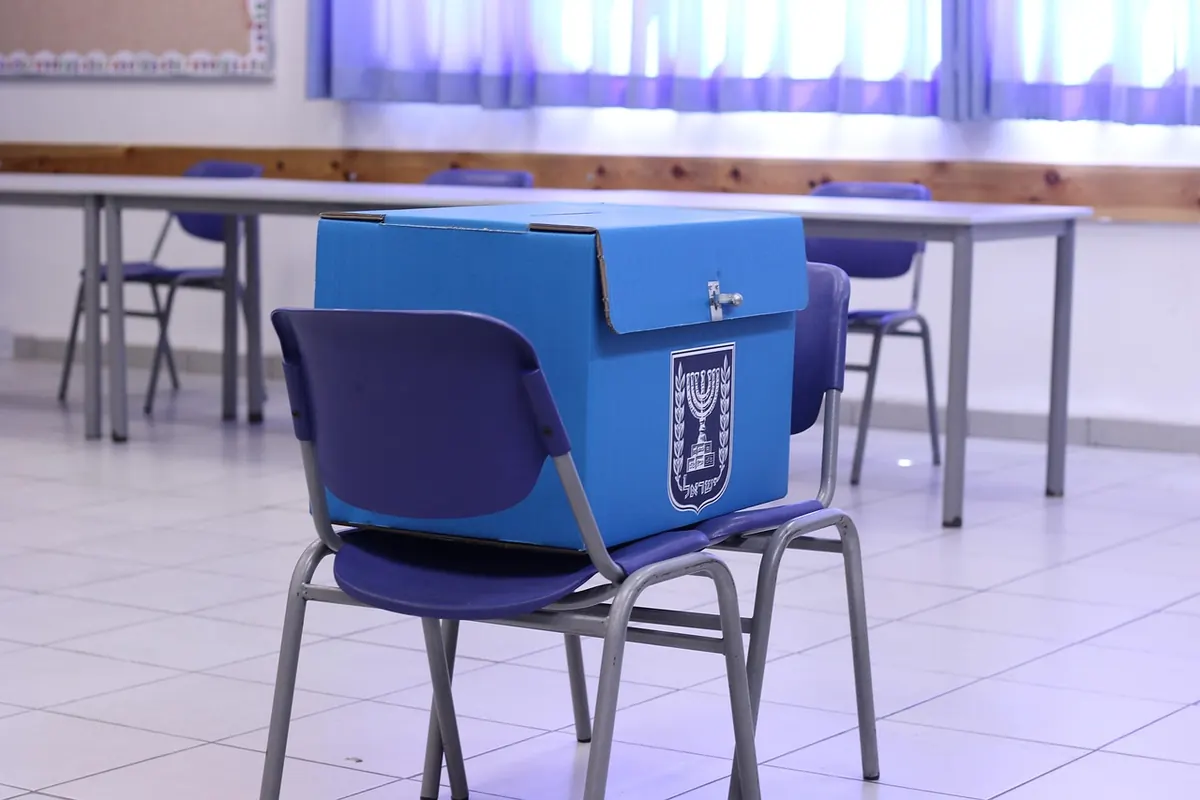
Every few years, Canadians mark a ballot and wait for a map to fill with colours. The results arrive fast, but the logic underneath them is less obvious. Why does a party with fewer total votes sometimes win more seats? What exactly is a riding? And why does the morning after an election often feel like the start of a negotiation rather than the end of a contest?
Here is how the pieces fit together, without the jargon.
Ridings: The Building Blocks of Every Election
Canada does not hold one national vote. It holds 338 local ones on the same day. Each of those contests happens in a geographic area called a riding — also known as a constituency or electoral district. Every riding elects exactly one Member of Parliament, and that MP takes one seat in the House of Commons.
Ridings vary enormously in size and character. An urban riding in Toronto or Montreal might cover a few square kilometres and contain over 100,000 people. A northern or rural riding can stretch across tens of thousands of square kilometres with far fewer residents. Boundaries are redrawn periodically by independent commissions to reflect population shifts, which is why the map you memorized a decade ago may no longer match the one used today.
What matters for your vote is simple: you vote for a candidate in your riding, not directly for a prime minister. The party leader you have in mind is only on the ballot if they are running as a candidate somewhere — usually, but not always, in a riding their party expects to win comfortably.
How Votes Turn Into Seats
Canada uses a first-past-the-post system. In each riding, the candidate with the most votes wins. There is no runoff, no ranked ballot, and no minimum threshold. A candidate can win with 34 percent of the vote if the remaining votes are spread among four or five rivals.
This produces two consequences worth understanding:
- Seats do not match the popular vote. A party can collect a healthy share of votes nationwide and still win relatively few seats if its support is spread thinly across many ridings.
- Efficiency matters. Parties do best when their voters are concentrated. Winning a riding with 70 percent of the vote wastes votes that could have been useful somewhere else.
To form government, a party generally needs the confidence of the House of Commons. In practice, that has meant winning the most seats, and usually crossing the 170-seat line for a majority. That number is half of 338, rounded up.
Majority vs. Minority Governments
A majority government holds at least 170 seats. It can pass budgets and legislation without needing help from other parties, and it typically lasts a full four-year term unless the governing party chooses to call an earlier election.
A minority government holds fewer than 170 seats. It survives only with support from at least one other party, whether through a formal agreement, a budget deal, or case-by-case votes. Minority governments tend to be shorter and more unpredictable, but they can also be productive — opposition parties gain real leverage to shape legislation.
Vote Splitting: The Quiet Decider
Vote splitting is what happens when two or more parties with similar appeal divide the vote in a riding, letting a third party's candidate win with a plurality rather than a majority. It is one of the most powerful forces in Canadian elections, and it is entirely a product of the voting system rather than of any voter's intention.
Consider a hypothetical riding where the centre-left vote divides three ways: 30 percent, 22 percent, and 18 percent. A single centre-right candidate with 31 percent wins the seat despite 70 percent of voters preferring someone else. No one did anything wrong. The math simply worked that way.
This is why parties spend so much time talking about strategic voting — the practice of backing a second-choice candidate who has a realistic chance of beating the candidate you most want to stop. It is a rational response to the rules, though it leaves many voters feeling they never got to vote for who they actually wanted.
Coalitions, Confidence, and Who Gets to Govern
After the votes are counted, the sitting prime minister gets the first opportunity to test whether they can command the confidence of the new House. If another party has clearly won the most seats, that leader is normally invited to form government instead. The formal appointment comes from the governor general, but it follows the arithmetic of the House.
Cooperation between parties takes several shapes, and the differences matter:
- Confidence and supply agreement. A smaller party agrees to support the government on budget votes and confidence matters for a set period, in exchange for policy commitments. The government stays in power; the smaller party stays outside cabinet.
- Formal coalition. Two or more parties govern together, sharing cabinet posts and collective responsibility. This is common in many parliamentary democracies but rare in Canada at the federal level.
- Case-by-case support. No agreement at all. The government negotiates each close vote as it comes, which is the most fragile arrangement and the most common.
If a government loses a confidence vote — typically on a budget or an explicit motion of confidence — the prime minister must either resign or ask for an election. The House, not the calendar, decides how long a government lasts.
What This Means for Your Ballot
Understanding the machinery changes how you read election coverage. A few practical habits help:
- Look up your riding's recent results. A seat decided by a few hundred votes is a different strategic situation than one decided by 20,000.
- Check whether your riding is a close contest or a safe seat for one party. It affects how much your vote matters to the outcome, not whether it matters at all.
- Watch seat counts, not just national polling percentages. Projections that translate votes into seats are far more informative than the popular vote alone.
- Read the platform of any party you might support in a coalition scenario. In a minority parliament, smaller parties often deliver on specific promises without ever holding power outright.
Your vote always counts for something: it shapes the local result, the national totals, and the legitimacy of whoever ends up governing. What it does not do is translate neatly into a proportional share of power. Once you accept that, election night becomes far easier to follow — and far more interesting.
A Quick Recap Before the Next Writ Drops
Ridings are the local contests. Seats are what those contests produce. First-past-the-post decides each seat, which means vote splitting can hand a riding to a candidate most voters did not choose. Whichever party can command the confidence of the House of Commons forms government, and in a minority parliament that means negotiation is not a failure of the system — it is the system working as designed.
When the next election is called, start local. Find your riding, look at the last result, and read what the candidates are actually promising. The national story is built from 338 of those smaller stories, and yours is one of them.
Photo: OrnaW / Pixabay