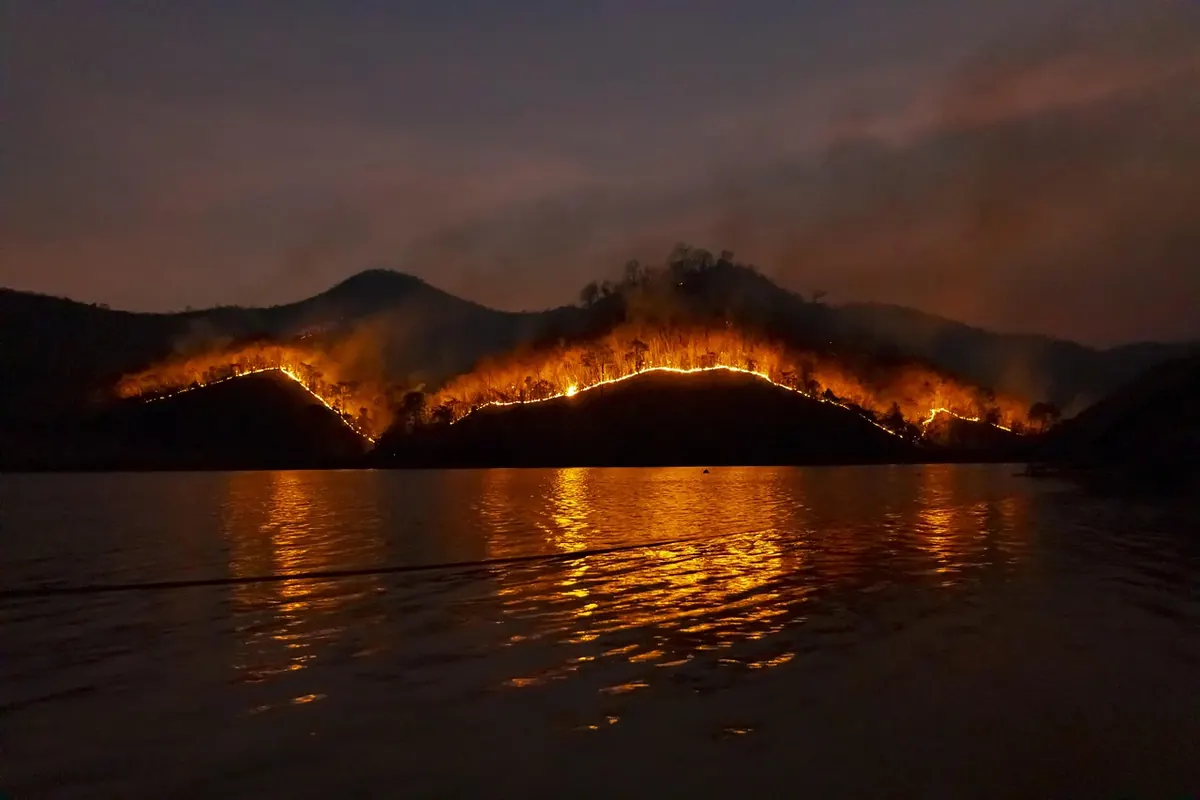
Wildfire season in Canada no longer keeps to a tidy calendar. Evacuation orders arrive in May, smoke settles over cities a thousand kilometres from the nearest flame, and one province enjoys a damp August while its neighbour burns. Homeowners are learning that preparation has to be local, specific, and finished before the sky turns orange. The encouraging part is that most of what protects a house, a family and a financial future is unglamorous work you can complete over a weekend. What follows is what actually matters, region by region.
Start With the Universal Basics
Some tasks apply whether you live outside Kelowna, on the edge of Timmins, or in a rural corner of Nova Scotia. Fire behaviour changes with terrain and wind, but the way a house catches is remarkably consistent: embers land in something dry, and the structure goes from the outside in.
- Build a kit that assumes three days without help: water, non-perishable food, medications, chargers, a battery radio, headlamps, copies of ID, and pet food with carriers.
- Keep a go bag in the vehicle during high-risk weeks. When an alert becomes an order, you will not be packing calmly.
- Clear the immediate zone. Within roughly 1.5 metres of the walls, remove bark mulch, dead leaves, firewood, lumber and anything else that can burn.
- Clean the gutters. Dry needles catching a single ember is one of the most common ways a home ignites.
- Screen vents and soffits with fine metal mesh — around 3 mm — so embers cannot be drawn inside.
- Stage tools: a hose that reaches every side of the property, a ladder, a shovel and a rake.
- Digitize documents. Insurance policy numbers, deeds, passports and a photo inventory belong in cloud storage, not only in a filing cabinet.
British Columbia and the North
In the interface communities of the Okanagan, the Kootenays and the Fraser Canyon, the FireSmart principles taught by local fire departments are worth following closely — thinning trees, spacing shrubs, and keeping combustible material off decks and under stairs. Learn the difference between an evacuation alert (be ready to leave) and an evacuation order (leave now), and know your primary route plus one backup, because valley roads close fast.
In Yukon, the Northwest Territories and northern BC, distance is the challenge. Fuel up whenever you can, carry extra water, and tell someone outside your community where you are going if you leave. Rural volunteer departments are skilled but stretched, and help may be hours away.
Alberta, Saskatchewan and Manitoba
Prairie fires move through grass at speeds that surprise people, driven by wind and carried across highways. If you have acreage, cut grass short near buildings, move bales and fuel tanks well away from structures, and keep a water tank or cistern accessible. Farm operations should have a livestock plan — where animals go, who moves them, and which neighbours can help — written down before smoke appears on the horizon.
Power outages often accompany evacuations here. Know how to open an electric garage door manually, and keep a vehicle fuel level above half.
Ontario and Quebec
Cottage country and the boreal fringe present a particular problem: seasonal properties sit empty for days at a time. If you own one, arrange for a neighbour or property manager to check on it, and consider whether your insurance covers a vacant or unoccupied dwelling — many policies restrict coverage after a set number of days without occupancy. Confirm the details with your broker.
City dwellers face a different risk: smoke from fires hundreds of kilometres north. That is an air quality problem, not an evacuation problem, and it is handled indoors. Watch for municipal fire bans and burn permits, which tighten quickly in dry spells.
Atlantic Canada
The 2023 fires in Nova Scotia showed that this region is not exempt, even with coastal humidity. Suburban communities near forest edges should treat a windy, dry spring with real caution. Atlantic homeowners also juggle overlapping hazards — hurricane season and wildfire season now run alongside each other — so a single emergency plan should cover both power loss and evacuation. If you rely on a well and pump, remember that a power outage means no water pressure.
Air Quality and Insurance: The Two Things People Underprepare
Check your regional Air Quality Health Index during smoke events, and treat poor readings like a reason to stay inside. A portable HEPA unit in one room, windows and doors kept shut, and a well-fitted N95 respirator for necessary trips outdoors will do more than a cheap mask or a towel under the door. Avoid vacuuming, frying food or burning candles, which add particles indoors. Anyone with asthma, heart conditions, or young children should follow guidance from a health professional rather than pushing through a bad air day.
On the money side, fire is typically a covered peril on a standard homeowner policy, but the details decide your experience. Ask your insurer or broker three questions before you need them: Does my policy include additional living expenses, and for how long? How do I document a total loss? What are my deadlines for filing a claim? Keep receipts for hotel nights, meals and replacement clothing during an evacuation — those are often reimbursable.
Your Weekend Prep Plan
- Walk the perimeter and remove anything combustible within 1.5 metres of the house.
- Clean gutters and the roof, then check vent screens.
- Assemble or refresh the emergency kit and go bag.
- Photograph every room and major purchase; store the images off-site.
- Write down your evacuation route, meeting point and out-of-region contact.
- Call your insurance provider and confirm your coverage in plain language.
None of this is dramatic. It is the quiet work that turns a terrifying week into an inconvenience rather than a loss — and it is best done on a sunny, ordinary Saturday, long before you need it.
Photo: sippakorn / Pixabay