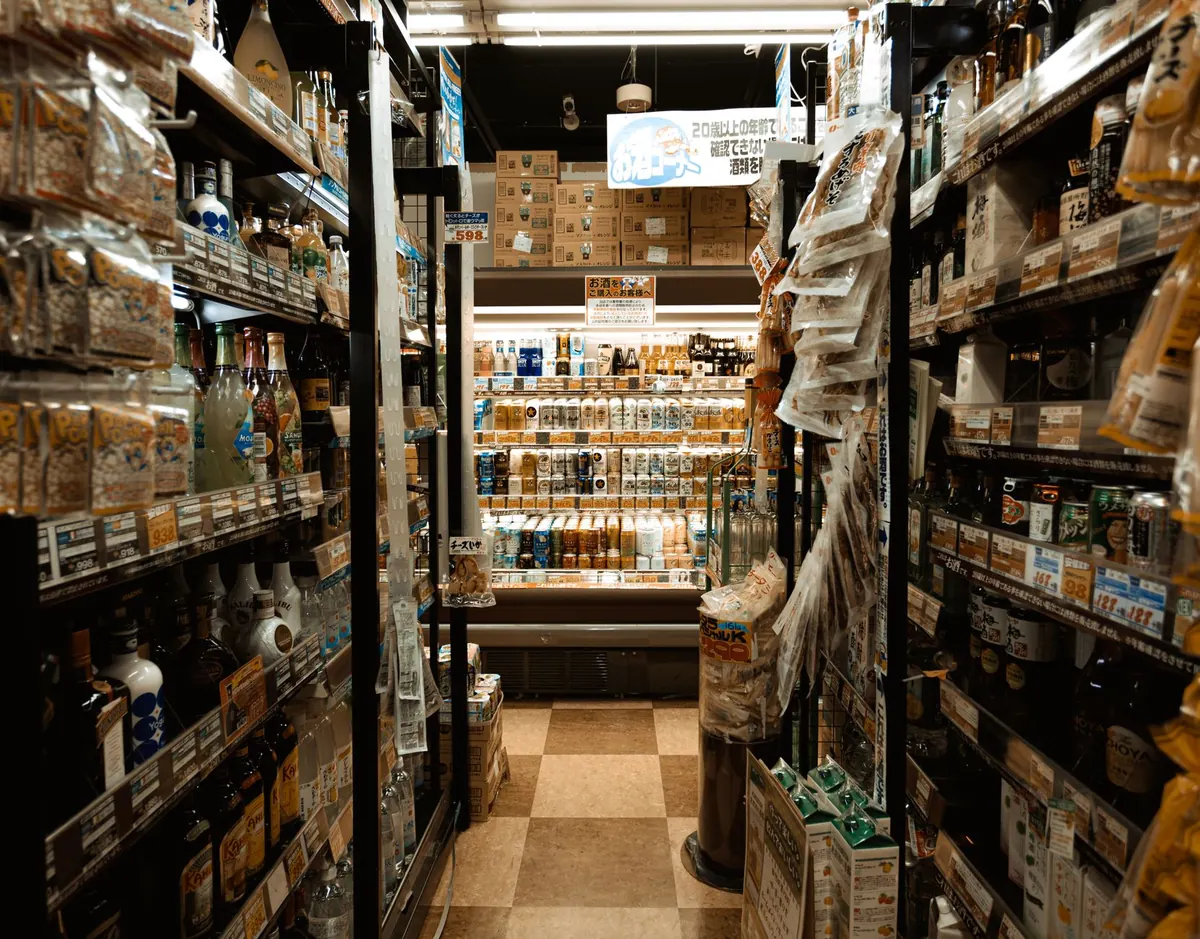
You notice it in small ways first. The bag of coffee that shrank. The chicken breast that crossed a price threshold you used to treat as a splurge. Then you notice it in one big way: the total at the bottom of the receipt, which seems to have quietly detached itself from your budget.
The easy answer is greed. Profit is part of the story, but if you pull apart how a grocery chain actually makes money in Canada, the picture gets more useful and less satisfying. Thin margins, enormous volumes, a supply chain with many hands in it, and a competitive field narrower than most shoppers realize.
A market with very few sellers
Walk through most Canadian towns and you have two or three realistic places to buy a week of food. A handful of national players — Loblaw, Empire (Sobeys, Safeway, FreshCo, IGA), Metro, Costco and Walmart — account for the large majority of food retail, with regional chains, co-ops and independents filling the rest of the map.
Concentration isn't automatically bad. Big chains can buy in volume, which pushes some costs down. But when a small number of companies watch each other closely, prices tend to move in step rather than against each other. Nobody has to coordinate anything; matching your competitor's increase is simply the safer move.
The Competition Bureau's retail grocery market study landed on this point directly: Canada needs more competition. That was a statement about market structure, not a moral verdict on any one company.
What the profit margins actually look like
Grocery retail runs on thin net margins — often just a few cents of profit on every dollar of sales. On paper that looks like a business barely surviving. In practice, thin margins on tens of billions of dollars of revenue still produce very large absolute profit, and a one-percent improvement on that base is worth serious money.
Where the profit comes from matters just as much. A growing share of grocery earnings doesn't come from selling food at all. It comes from pharmacy counters, cosmetics, banking and credit cards, loyalty programs, and the fees retailers charge suppliers. Those businesses don't care what a head of lettuce costs this week.
So when you read that grocery profits are up, the honest follow-up question is: which profits? Food retail, or everything attached to it?
The costs that stack up before anything reaches the shelf
A grocery store is an expensive building to operate, and almost none of its biggest costs are visible to a shopper. Consider what has to be paid before a single tomato is sold:
- Freight and logistics. Food is heavy, perishable and often moved long distances across a country with a short growing season.
- Energy and refrigeration. A supermarket is, functionally, a very large refrigerator running all day, every day.
- Ingredients and packaging. Prices for commodities, plus the currency exchange rate on imported goods.
- Labour. Wages in stores and warehouses have risen, particularly since 2020, and grocers are competing for the same workers as everyone else.
- Shrink. Spoilage, damage and theft. Food that never sells still has to be paid for.
Each of these moves independently. Freight can spike while produce prices fall. Packaging can get cheaper while wages climb. That's why a chain can post a healthy quarter and still be genuinely squeezed on a particular category.
Suppliers don't just get paid. They pay.
One of the least understood parts of the grocery business is the money that flows the other direction. Suppliers routinely pay retailers for shelf space, promotional placement and flyer features, and they can face penalties for short shipments or missed delivery windows.
These practices shift cost and risk backward up the supply chain. A small food producer often absorbs them; a large one negotiates harder. Either way, the final shelf price is set by a negotiation between two businesses, not by the retailer alone.
That's the logic behind the Grocery Code of Conduct, a set of rules meant to make retailer-supplier dealings more transparent and predictable. Support for it has been uneven across the industry, which tells you how much money is at stake in those terms.
Geography is a price factor too
If you live in a rural or northern community, you already know this. Longer supply routes, smaller order volumes, fewer competitors and higher operating costs all push prices up, and discount banners often don't exist within a reasonable drive. Two shoppers buying the same basket can pay meaningfully different totals depending on their postal code.
Online grocery hasn't fixed it. Delivery fees, picking costs and minimum orders mean digital shopping mostly competes with the store down the street, not with the store three hours away.
What actually helps your bill
None of this is fully in your control, but some of it is. A few habits that reliably move the number at the bottom of the receipt:
- Compare unit prices, not sticker prices. The small print on the shelf tag tells you cost per 100 grams or per 100 millilitres. It's the only honest way to compare a smaller box against a bigger one.
- Learn your store's markdown rhythm. Meat, bakery and dairy discounts tend to appear at predictable times of day. Ask staff when it happens.
- Treat store brands as a real option. In staples like flour, oats, frozen vegetables and canned goods, the difference is often minimal.
- Shop the perimeter and the freezer aisle. Whole ingredients and frozen produce usually cost less per meal than prepared or pre-cut anything.
- Go beyond the big chains. Independent grocers, butcher shops, ethnic supermarkets, farmers' markets and co-ops often beat chain prices on specific categories, especially produce and meat in season.
- Watch for shrinkflation. If the package got smaller and the price didn't, you're paying more. Buying by weight instead of by package sidesteps some of it.
- Use loyalty programs deliberately. Track whether points are saving you money or steering you toward purchases you wouldn't have made. Most people find it's some of both.
If food costs have moved from annoying to genuinely unaffordable, that isn't a budgeting failure. Food banks, community fridges, bulk-buying groups and non-profit credit counsellors exist for exactly this situation, and using them is a practical decision, not a last resort.
Grocery prices in Canada are the product of a concentrated market, a costly supply chain and a set of supplier relationships most shoppers never see. Understanding that won't lower your bill by itself. But it will tell you where to push — and where shopping around genuinely pays off.
Photo: Aleksandar Pasaric / Pexels